
You see a faint water stain on your ceiling, but you dismiss it. Just a little condensation, right? Then you notice your water bill is a bit higher than usual. You tell yourself it’s just because it’s getting hotter outside. But deep down, you have a nagging feeling that something isn’t right.
That nagging feeling is your intuition telling you that you might have a bigger problem on your hands. A problem that could be silently wreaking havoc on your home and your finances. A problem called polybutylene pipes, a ticking time bomb hidden within your walls.
This isn't just a minor plumbing issue. It's a threat to your home's structural integrity and your financial stability. The longer you ignore it, the greater the risk of a catastrophic failure that can lead to thousands of dollars in water damage, mold remediation, and costly repairs. Your homeowner's insurance might not even cover it, leaving you to foot the entire bill.
What Are Polybutylene Pipes and Why Are They a Threat?
Polybutylene (or poly-b) is a type of plastic resin that was used extensively in the manufacturing of water supply piping from 1978 to 1995. It was hailed as a miracle material at the time because it was inexpensive, flexible, and easy to install. However, it had a fatal flaw: it is highly vulnerable to the chemicals in our municipal water supply, particularly chlorine.
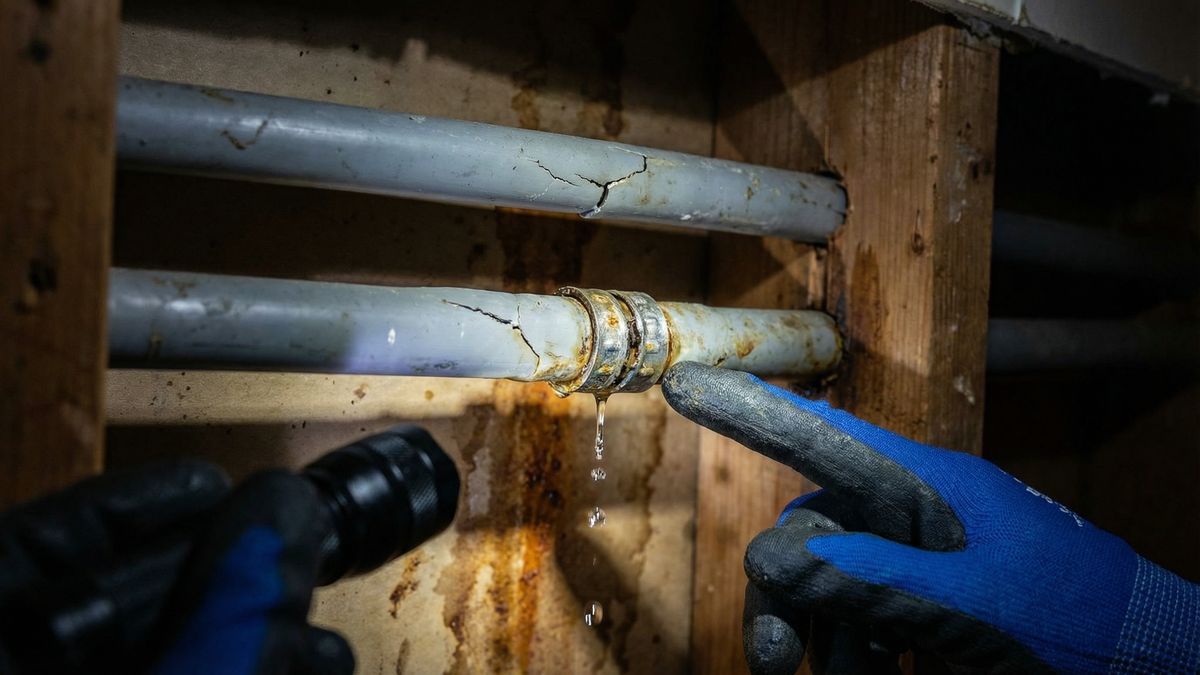
Over time, the chlorine in the water causes the polybutylene to break down from the inside out. The pipes become brittle and develop micro-fractures. These tiny cracks can lead to small, slow leaks that you might not even notice at first. But eventually, those small leaks can turn into catastrophic failures, causing major water damage to your home without any warning.
How to Identify Polybutylene Pipes
So, how do you know if you have these dangerous pipes in your home? Polybutylene pipes are typically gray, but they can also be blue or black. You can usually find them near your water heater, under your sinks, or in your crawl space. They are often stamped with the code "PB2110."
If you suspect you have polybutylene pipes, it's crucial to have them inspected by a professional plumber. They can confirm the material and assess the level of degradation. Do not attempt to disturb the pipes yourself, as even a small amount of pressure can cause a brittle pipe to break.
The Las Vegas Connection and the Insurance Nightmare
If you live in a home in Las Vegas that was built between 1978 and 1995, there’s a significant chance you have polybutylene pipes. These pipes were used in thousands of homes across the valley, particularly in neighborhoods like Summerlin, Green Valley, and Spring Valley.
The problem is so widespread that insurance companies are now refusing to insure homes with polybutylene pipes, or they are charging exorbitant premiums. They know that it’s not a matter of *if* these pipes will fail, but *when*. This means that if you have a leak, you could be on the hook for the entire cost of the repairs, which can easily run into the tens of thousands of dollars.
Why a Whole House Repipe is the Only Permanent Solution
If you have polybutylene pipes, you might be tempted to just repair the leaks as they happen. But this is a short-term fix for a long-term problem. The truth is, the only permanent solution is a whole house repipe. This involves replacing all of the old, failing polybutylene pipes with new, durable PEX or copper pipes.
A whole house repipe is a significant undertaking, but it’s a necessary one. It’s the only way to protect your home from the devastating effects of a major pipe failure. When you consider the cost of a repipe versus the cost of repairing extensive water damage, it’s a wise investment in your home's future and your peace of mind.
Don’t wait for a disaster to strike. If you suspect you have polybutylene pipes, call a professional plumber to have them inspected. They can help you understand your repair options and determine if a whole house repipe is right for you. And if you're worried about your insurance, our guide on slab leak insurance coverage can provide valuable insights.
If you're seeing any of the 7 warning signs of a slab leak, it's time to take immediate action. A small leak can quickly escalate into a major problem. For a comprehensive overview, check out our complete guide to slab leaks in Las Vegas.
Got Polybutylene Pipes? Get a Second Opinion.
If someone told you your poly pipes are 'fine,' get a second opinion. We've seen too many Las Vegas homeowners get burned by waiting. Call us for an honest assessment.
Call or Text (702) 605-6169 Book Your Appointment Online